
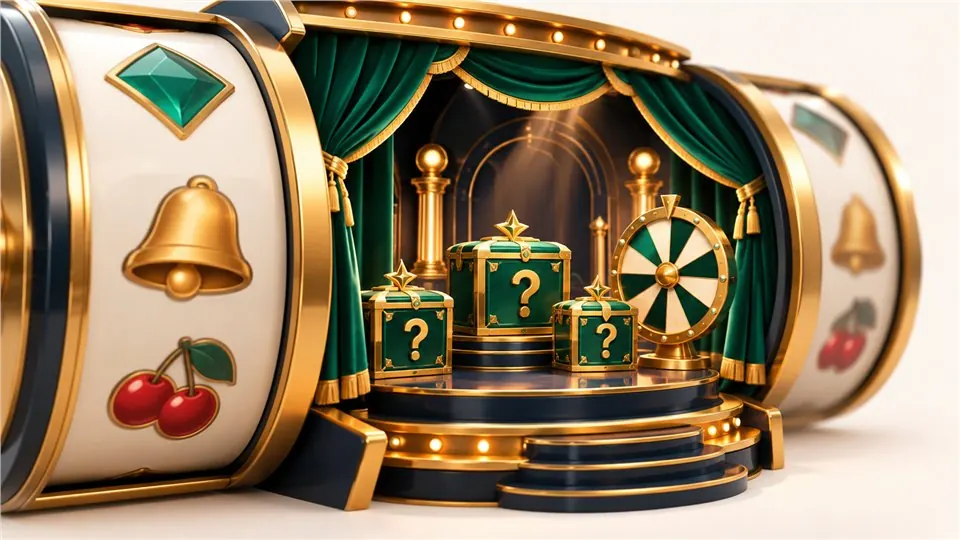
A bonus round creates a change of rules, presentation or both after a qualifying event. It can add a separate scene, extra rounds, a collection state or another award process.
The history is best understood as expanding design possibilities rather than a list of every supposed “first”. Different markets and device categories can produce different firsts.
A 2004 filing describes the commercial purpose directly
WMS's 2004 annual filing describes secondary bonus rounds as additions to the base slot, including choices of tokens or characters that obtain or reveal an award.
The company discusses their appeal and role in encouraging continued base play. That is a primary account of the manufacturer's design and business perspective, not an independent conclusion that such features benefit a player's finances.
A second screen could change the visual language
Once the interface can switch scenes, a bonus need not resemble spinning reels. It can use a pick-and-reveal presentation, a wheel or a narrative sequence while still operating through defined random rules.
Changing scenery does not automatically create a new skill task. To understand a choice, read whether it selects an outcome, reveals an already-determined one or changes some stated feature parameter.
Later feature design can remain on the reels
A bonus does not have to occupy a separate screen. Locked symbols, sticky wilds and persistent multipliers can create a feature state within the familiar grid.
This blurs the visual boundary between base and feature rounds while preserving a rules boundary. The information panel should explain when the alternate rules begin and end.
Features can create a sequence rather than a single award
A qualifying trigger may grant rounds that can retrigger, collect values or alter a multiplier. The feature total then depends on the complete sequence under those rules, not just the first displayed prize.
Record what persists and resets. Treating every animation as a separate ordinary stake can misdescribe both cost and duration.
Buying entry introduced a separate cost question
A feature purchase offers another entry route where permitted. Its displayed price can be many times the ordinary stake, so it should not be casually described as equivalent to triggering the bonus naturally.
Availability and regulatory restrictions vary. Historical feature development is not a recommendation to circumvent a missing purchase option or use another market's launch.
Compare the actual feature, not the shared label
Two free-spin rounds can differ in wild behaviour, counter rules and award caps. Two hold-and-win features can differ in eligibility and collection conditions. Names are a starting point, not a complete classification.
Read bonus rules for an inspection workflow and purchase restrictions for the difference between design history and current availability.
Sources and review notes
Source-checked 2026-10-07. The filing documents design practices by 2004. This article does not claim a universally first bonus round across all jurisdictions and device categories.
Continue reading

How to Read Slot Bonus Rules: Triggers, Counters and Award Limits
Decode a slot feature before testing it: trigger conditions, retriggers, locked symbols, stake basis, purchase prices and maximum-award rules.
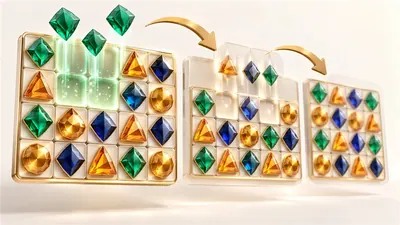
Cascading Reels Round Total: Count Awards, Stakes and Resets
Follow a fictional cascade from award to symbol replacement, with attention to total stake, multiplier resets and round caps.

Bonus Buy Restrictions Explained: Entry Cost and Market Scope
Understand the stake behind a feature purchase, the British regulator’s documented concerns and why a demo button is not universal permission.